*Disclaimer: The following is a summary and/or review based on the authors understanding of the book. Also, any possible references should be by default cited to the book under discussion.
One of the most dense books that I have read – of course other than academic literature. To put things in perspective, volumetrically, the last 1/3rd of the book is facts, notes, and references. And I believe that does not leave any room for the readers to ask for fact check.
Though it is has been almost a decade since last revision, the described structural issues are still relevant and important to understand – especially in the age of unverified rhetorics. Given the passage of time, many (not using ‘some’ or ‘most’ as I am unsure) facts and figures have changed; however, it is a worthwhile read to be cognisant of the challenges.
Before proceeding with elaborating upon the contents; if you are an Indian, disregard to your interests or profession, you must read this. Especially amidst today’s conveniently consumed misinformation (or perhaps framed information) and rampant political rhetorics, scratching the surface with such a well elaborated summary of the country’s economic condition from not very afar in the past. Although most of us may be unable to make an impact on a large scale, being cognisant of facts would better nudge us to our individual parts.
Proceeding with topics, the book elaborates the state of affairs across avenues indicative of the macro-economic development of the country; including but not limited to healthcare, social benefits, education, gender equality, corruption & accountability, democratic mechanisms, economy, etc.. The narrative is indicative of the state of affairs until 2014; though a lot has changed over the decade, there is still a lot to be done as structural issues still persist.
Although the commentary is merely an opinion relative to the progress of other countries in the sub-continent, it may seem like a criticism as more emphasis is laid on the failures. It is perhaps so to convey the urgency necessary to address the structural issues. Nevertheless, the opinions are backed by statistics – as you can expect from a well rounded academic publication.
To sum it up, this book is not for the casual reader; as given the density, only the concerned and curious will make it through. Furthermore, if you read books for leisure or pursue reading as a refreshment activity, then this would be an ancillary read that you read slowly. And lastly, it narrates sufficient details to be included as a recommended read for civil services exams.
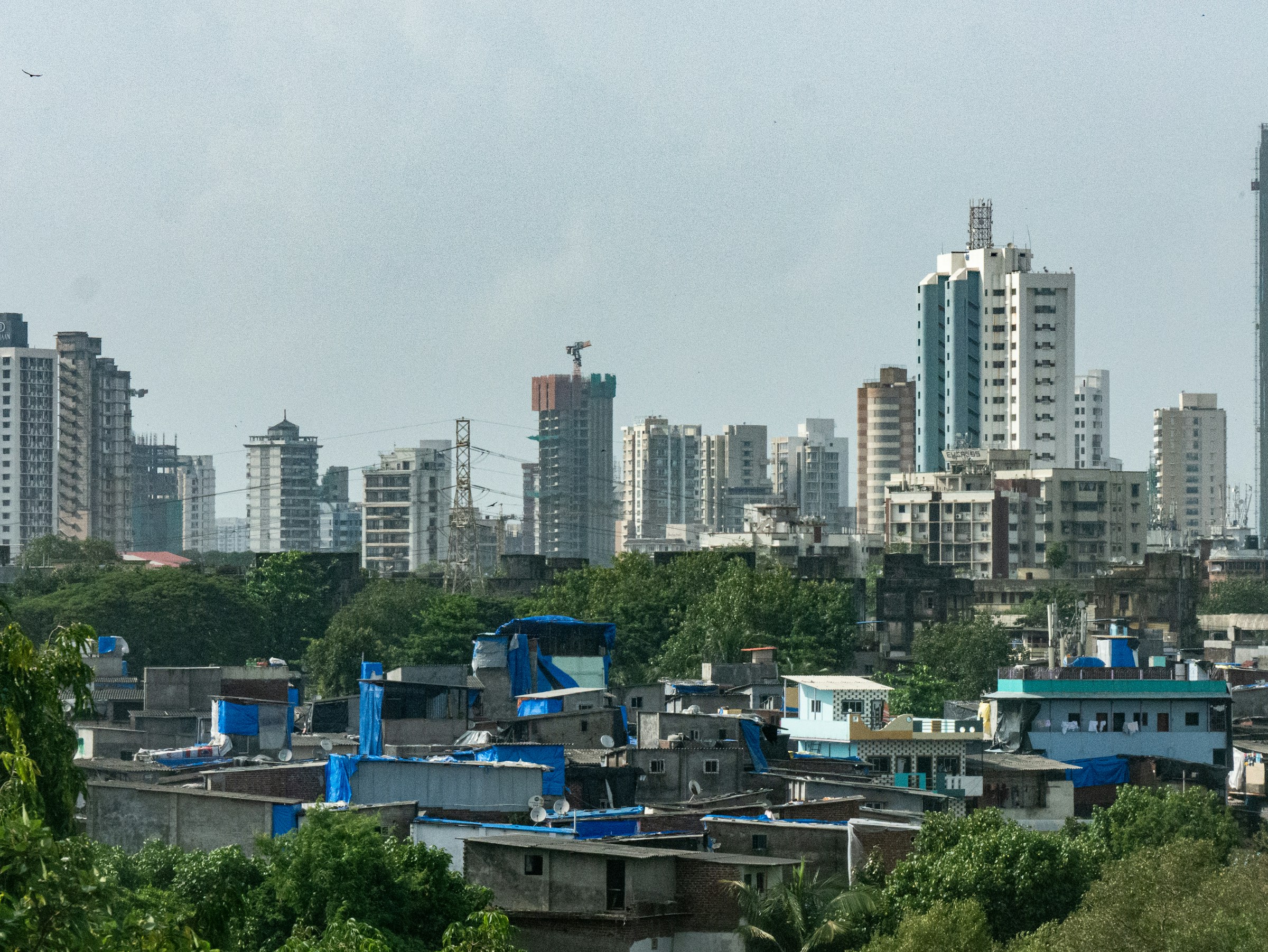
Feature Image Photo by Lukas Kienzler on Unsplash
 Savvy Munshi