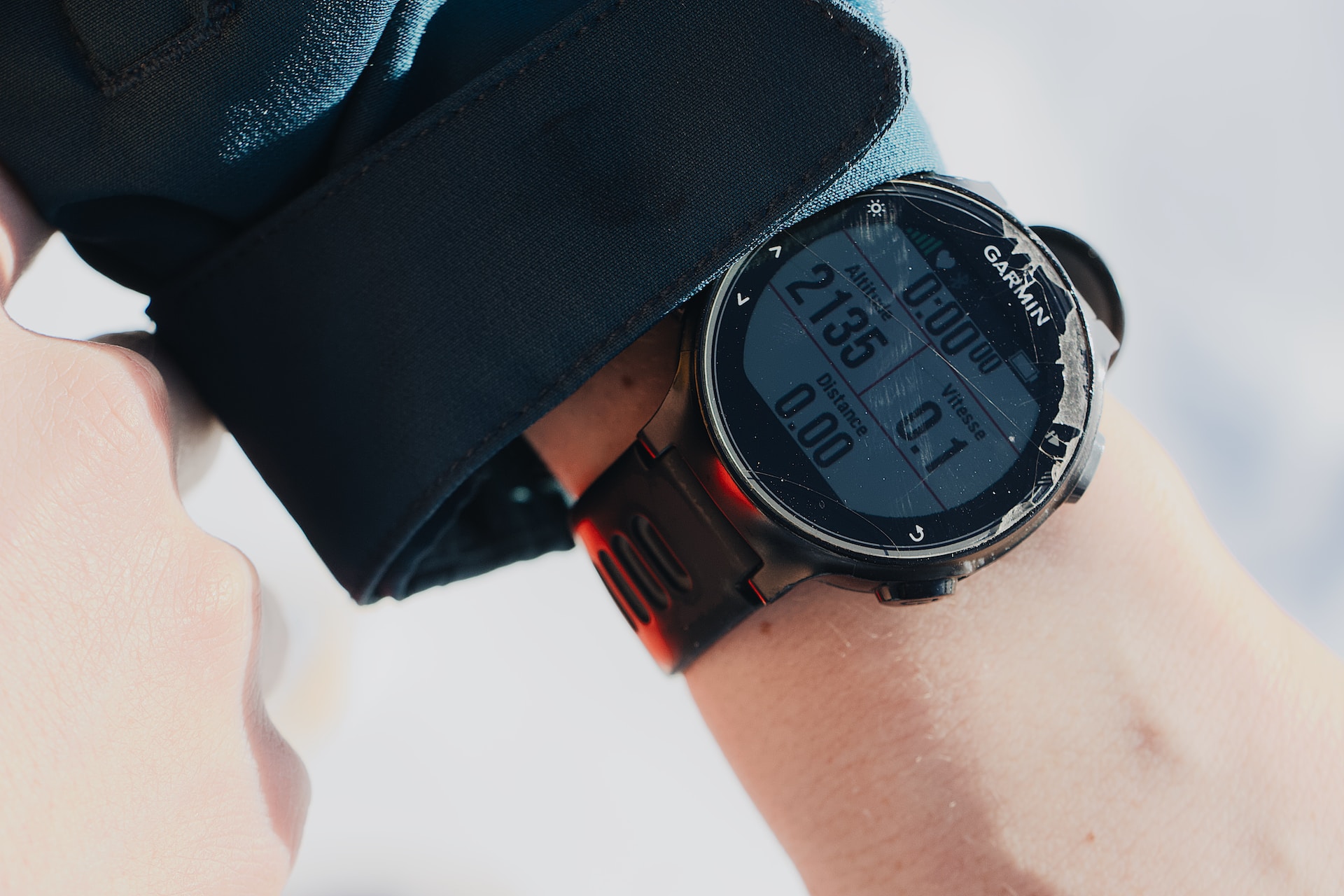
Wearables are the next big thing! The greatest clue, there is an Apple Watch in each of the price segments, ranging from the SE to the Ultra. And unlike iPad product-line, which also has models spread across price segments, the wearables market is much larger given that it is a personal device, like the mobile phone. And just as iPads / tablets have made their way into our homes, today the market for fitness trackers and smart watches is growing rapidly.
Most companies such as FitBit, AmazeFit, and Apple have been trying to cater to the entire market, while only differentiating the segments based on price-point. However, there is another set of companies such as Garmin and Polar, catering to a very specific customer segment. Though their product lines also feature a pricing ladder for different sub-segment; the parent segment itself is a niche rather than the broadly defined market of fitness conscious and enthusiasts.
The Market
And if you’ve read the book ‘Blue Ocean’ strategy, this is what a blue ocean looks like. A market definition that is neither vague and too broad nor too narrow for insufficient markets. A niche segment with just sufficient size of addressable market. Garmin, Polar, and few others have targeted their products to fitness enthusiasts and professionals with their range of smart watch type fitness trackers with dedicated features.
Marketing
Reaching a niche market seems difficult, as mass marketing techniques of billboards and print media may not be as effective. However, niche market has its benefits of ‘word-of-mouth’ and network effects. And in today’s connected world, both seem to be hand-in-hand. If you have been a part of fitness communities over any of the apps such as Strava or Adidas – Runtastic, you would have notices ‘posted via Garmin’ and you’re old enough you can recall ‘sent from my BlackBerry smartphone’ email signature. It may not be a strong referral, but is always a decent nudge.
Core Competencies
Unlike Apple or Samsung, these companies have not been into developing mass market consumer devices but have rather developed purpose centric devices. This implies that their associated core competencies, technical as well as managerial, are better aligned to create and sell niche purpose centric devices rather than consumer electronics. Hence, aligning with RBV – Resource Based Value and also utilising their previous intellectual property as basis for further development.
Segment Targeting
Features demanded by the mass market may not have been in alignment with core competencies or would have required further development for a producing a refined product. Something similar to Tesla Roadster designed for sports car enthusiasts rather than an average daily driver. If you’ve read the book ‘Zero to One’ you are aware how the Roadster helped Tesla generate the cash flows necessary to develop the subsequent mass market model.
Product Line & Pricing
Instead of merely having a single product line positioned using a pricing ladder such as the Apple Watch SE, Series #, and Ultra; Garmin opted for a horizontal differentiation with purpose specific products aimed at different sub segments. Segments included product with specific feature that are relevant / crucial to a certain segment; such as the Forerunner for Runners, Instinct for Outdoor Enthusiasts, Approach for Golfers, and Fenix for Professional Athletes. Furthermore, each of the product line has depth with incremental feature combinations spread across the pricing ladder.
Product Development
Samsung Galaxy S series is perhaps the best example of the feature frenzy that product managers experience while developing features for the mass market. Unlike an incremental feature roadmap developed based on continual feedback, attracting the whims and fancies of the mass market can become truly overwhelming. This may not only cause drain of organisational resources but also increase the risk of product failures, especially under strict timelines.
Product Features
Being focused on a niche segment not only entails the benefit of narrow feature spread but also provides the privilege of collaborative development through reliable client feedback.Furthermore, each product can be approached as an MVP (Minimum Viable Product) with only critical features for the particular segment, such that it does not compromise expected utility. For instance, the entry level forerunner does not have SPO2 sensor and flights climbed feature; however, given extremely affordable price point, consumer is willing to tone down expectations.
Feature Prioritisation
Catering to a niche and knowing your audience better provides an opportunity to understand what matters the most. For instance, while I was using the Apple Watch, I had never used any of the smart watch features and kept the display on black and white; hence, when I moved on to Garmin the absence of touch screen, Retina display, and applications did not matter match. Furthermore, the longer 7-8 days battery life outweighs the other shortcomings.
My earlier thought was writing a review of the Forerunner 255 that I recently got to upgrade from my Apple Watch Series 3 – given that I have now finished my MBA, thought of adding a twist through the perspective of Product Management & Strategy. Guess, I will have to save it for another blog..
If you want to know more about business strategy and management, visit my Udemy Page.
Feature Image Photo by Maël BALLAND on Unsplash
 Savvy Munshi