**Disclaimer: This blog only reflects the author’s understanding and views on Case Method and shall not be construed as any extensive literature on the subject matter.
For a change, being at the receiving end in the classroom helped me learn a few teaching methods in addition to the concerned subjects. Before getting exposed to the Case Method, I have had the privilege of experiencing both ends of the Studio Method, which involves learning through involvement, experience, and practice.
The Studio method evolved from the dilemma whether Design can be taught? First school of thought believes that it can be taught through a structured curriculum, while the later believes that it can only be imbibed through experiences. As an individual who has acquired majority of his skills and abilities from practice and experiences, perhaps it is needless to say that I join the later bandwagon.
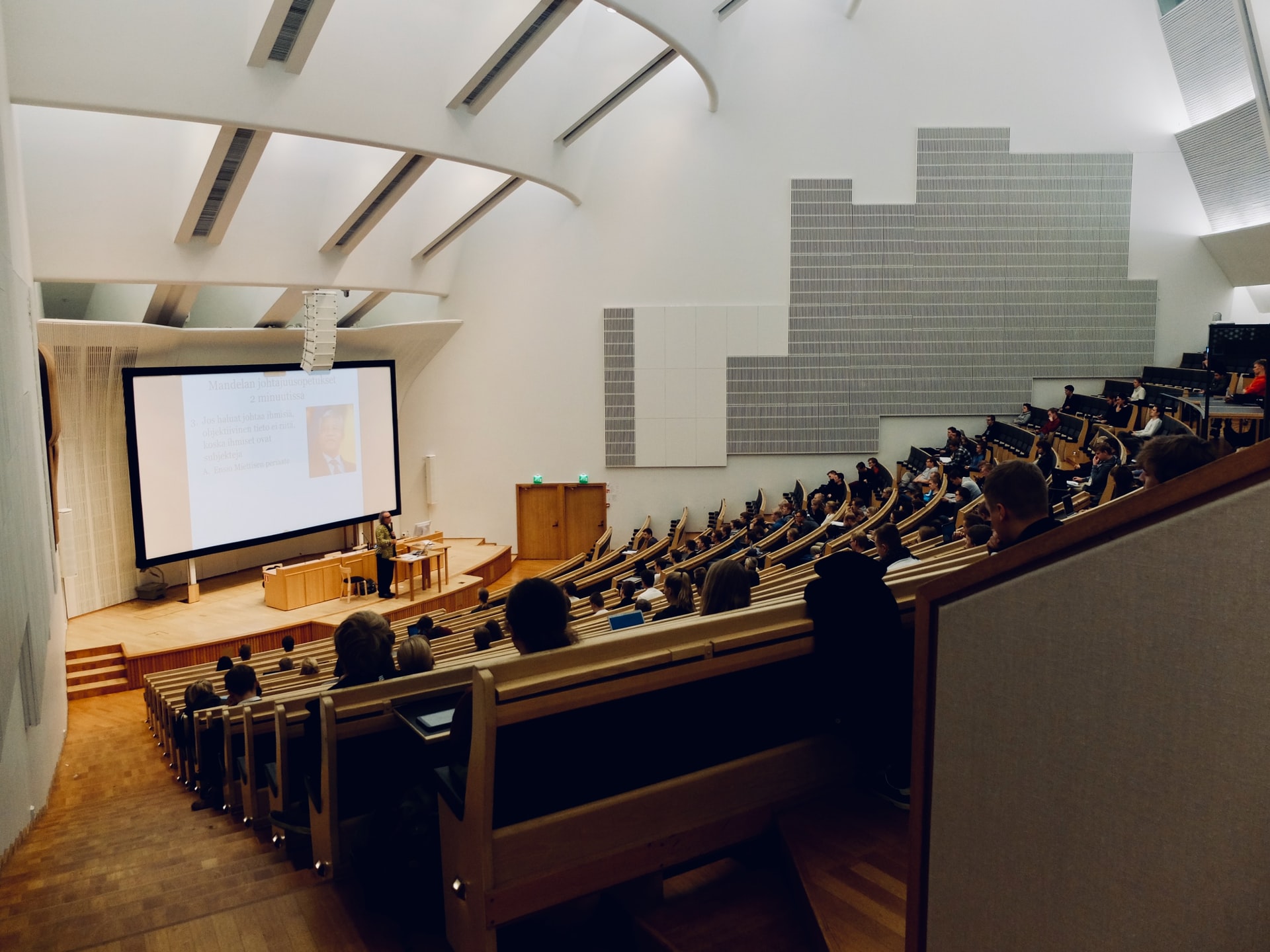
Since my first exposure to the Case Method from Stanford GSB video meant to train faculties on Case Writing, I have been way too excited to experience this in the classroom. And during the recent weeks, I have had a great time experiencing it live at IIM Bangalore.
Management can be quite abstract, since it is about decision making. And as human decision making is subjective, owing to irrationality as well as cognitive biases, subjects involving strategic decision making and choices cannot be taught using flowcharts.
This grey area leaves us with the only two options of metaphors or experiences. Since Business Schools are too practical, also perhaps impatient, for this philosophical approach, we are left with later option that involves discussing experiences. But such discussions are often too open ended and inconclusive for managers. And in this is where the Case Method comes to rescue.
Human brain is an excellent pattern recognition machine. If you do not agree with this statement, step back and think about your rationale in different situations. Our rationale is developed from past experiences, and the moment we observe a similar pattern in present environment, our brain starts taking cues from previous experiences. This process is too intuitive and subconscious to be actively distinguished.
Hence, it underscores the belief that exposure to patterns helps one develop relevant decision making rationales. And the case method is a wonderful tool that provides exposure to patterns and stimulates the development of decision rationales. The descriptions in cases provide exposure to contextual patterns, while the discussions stimulate rationale development through conditioned thinking.
These discussions, whether cold called or participatory, are phased and structured to follow a certain trajectory. This trajectory sets the perspective necessary for the decision rationale in the given context. Moreover, in order to further stimulate thinking, the discussions adopt the McKinsey approach: Mutually Exclusive, Collectively Exhaustive.
Hence, until the point psychologists are able to express our complex decision rationale in flow charts, the case method will continue to prime managers to think well enough to keep their jobs from being snatched by flowchart trained AI bots.
However, there are a few limitations that I will reserve for a follow-up blog in a few weeks. Meanwhile you can learn business management concepts from our Udemy course: Business Management Essentials.
 Savvy Munshi