This is one of the books that I have re-read after half a decade. The first time I read this book I was a newbie to business management and this served as a prophecy to what is in store. But by the next time, I had worked as a consultant for over a dozen businesses and could grasp the thoughts behind each narrative. Though I may not have experienced all of them firsthand, as a consultant I have had the privilege to closely witness such situations in businesses.
First things first, this is an easy-read, also called a one-flight book, and conveys complex decision making and business strategy through intriguing narratives. The narratives are not only firsthand experiences but also encounters and learnings from others. Although the book is not a management guide book serving concepts like a seven course meal served in a defined order, the flow of the narratives is well organised across the timeline of experiences.
The simple narratives will instantly connect with an entrepreneur. But do not be deceived by the simplicity of the narratives, the nuggets of management lessons hidden in the narratives are too valuable for any start-up founder, entrepreneur or business owner. The book mentions experiences that make a good company good at being great, while the ignorance or unwillingness to pass through such experiences is what makes a good company remain great at being mediocre.
The details of the strategies and decisions made by Subroto while driving Mindtree to scale may not be explicit, but the experiences and learnings have been shared in a transparent manner. Usually as start-up founders become successful, arrogance can get the best of them and they forget to share their forgiven mistakes. However, this book also shares instances of disappointment and dismay. Still I wish that he had shared more such dismal instances, as in my experience failures and misfortune have more to teach.
One of the important realisations that I have had from this book is that not everyone does business to achieve scale. The title outright warns that this is strictly for the elephant catchers. Most of the businesses that I have worked with, to my utter disappointment, only wanted to be slightly better-off despite plentiful market opportunities to scale. And this made me realise that people undertake business for either one of the following three causes: earn sustenance, solve problems or reach the sky! But being a ‘Go Big or Stay Home!’ person, it took me a while to attain this realisation.
Although the book contains a chapter explaining the title, I will share a brief version of the explanation before concluding. Unlike the catchers of small animals or poachers of large ones, the Elephant catchers are a completely different breed. First, catching an elephant is an asset acquisition. Whereas, others merely acquire goods for consumption. Although the poachers pursue large animals, just as many companies are ignorant about environment so are poachers and ignore the harm. However, elephant catchers cannot harm the elephant and also require a subsequent arrangement to domesticate the animal.
Finally, concluding it with a motivational quote I read somewhere, which as far as I can recall was from one of the early RIM (Research In Motion) executives.
You can either reach the moon or crash on earth, but for anything in between, nobody cares!
Also check out our crash course on Business Management, whether you want to shoot for the moon or just want to make your life easier. Click here to access one of the highest rated course on Udemy.
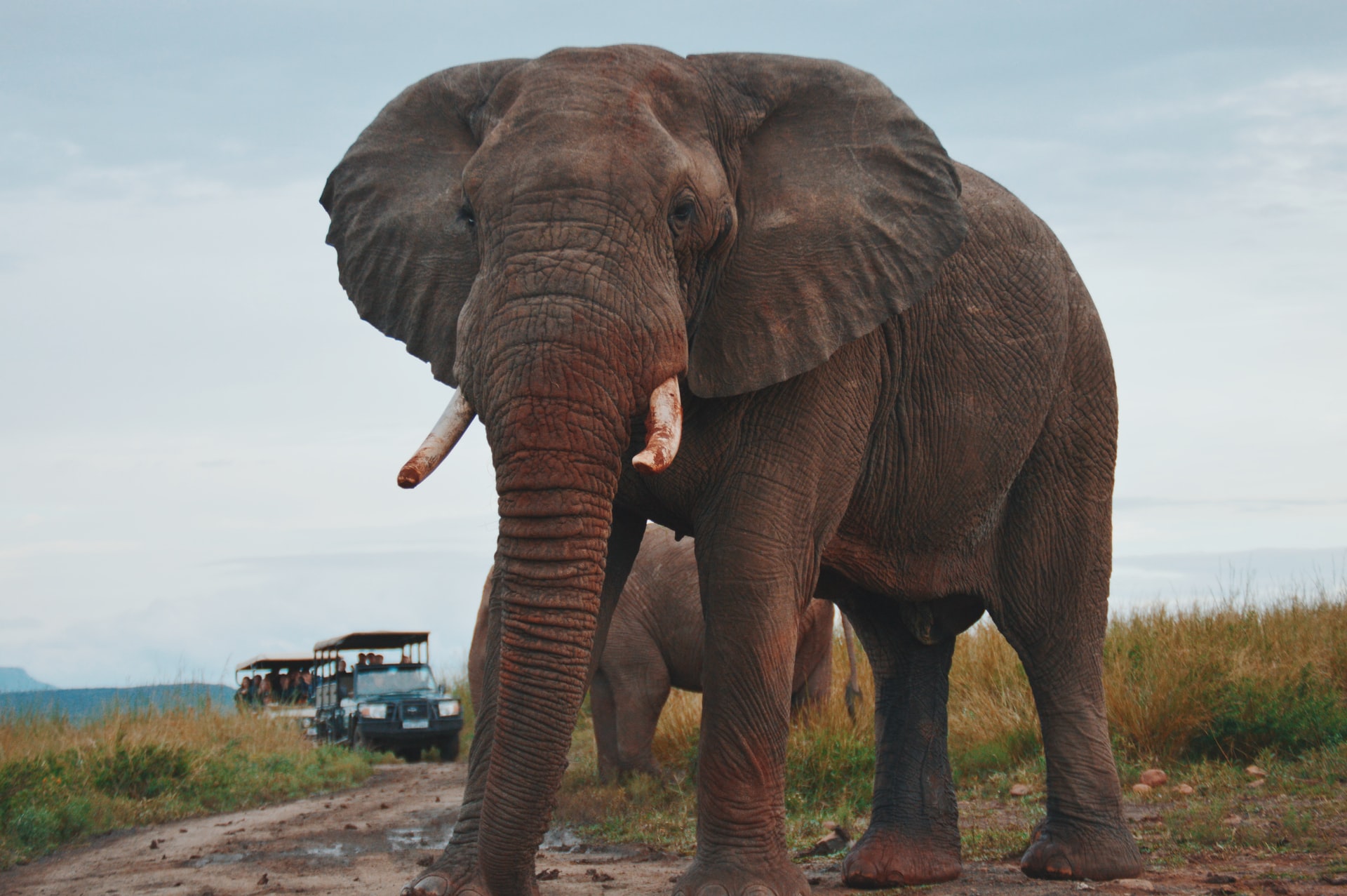
Header Image Photo by Kelly Arnold on Unsplash
 Savvy Munshi