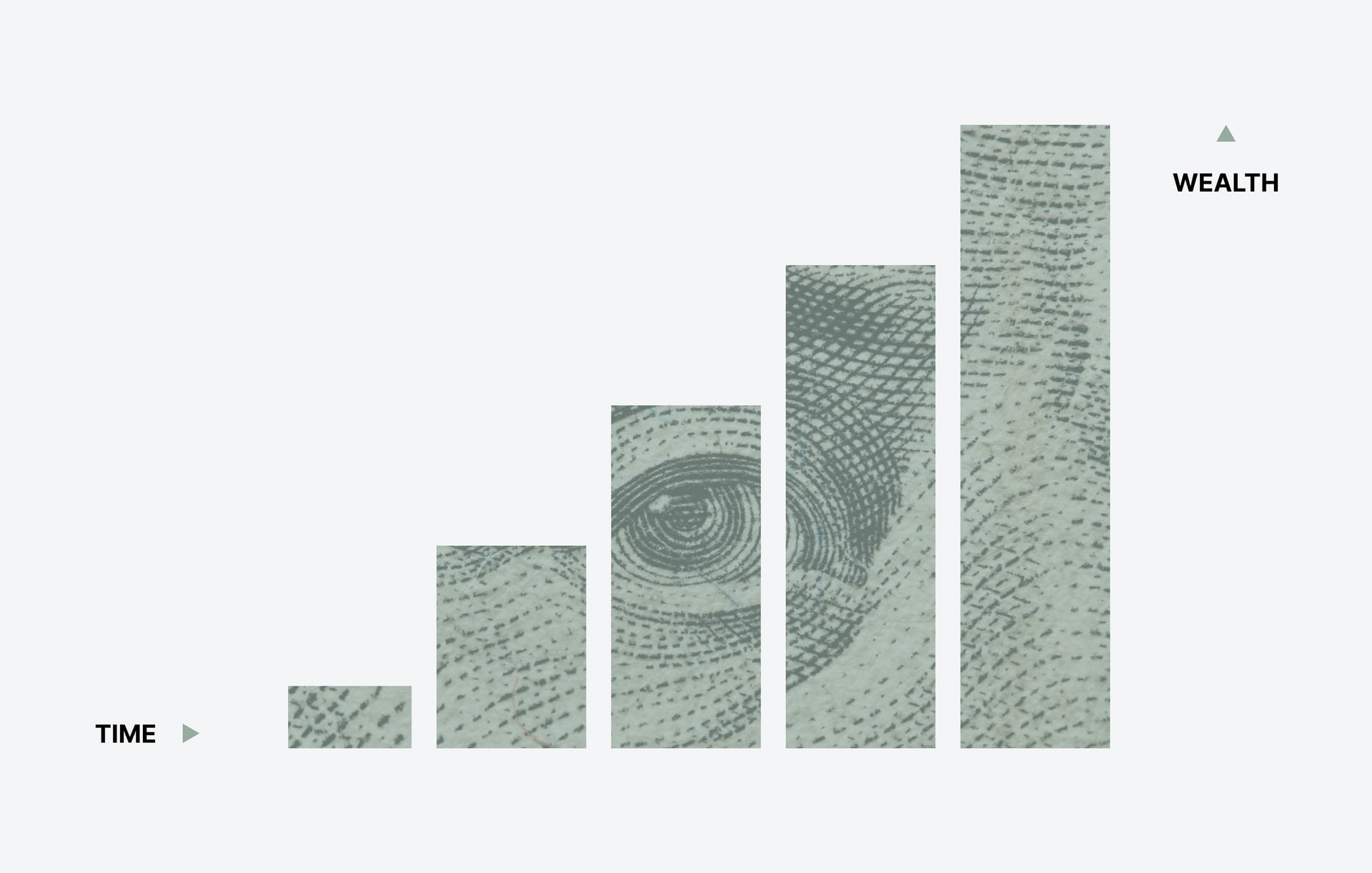
Despite the fast paced economic growth, these economies have the highest per capita savings, a phenomena contradictory to economic principle. In any fast growing economy, a participant will make more money tomorrow, an assurance that reduces the incentive to save today. Similarly debt has been viewed as evil in the Asian culture, but unlike the savings phenomenon, consumer borrowing has increased drastically in these countries.
And if we look back at previous generation, they have managed to acquire even capital assets without any borrowings. But today most, especially millennials, are borrowing for trivial purposes. Although most loans are interest free, opting for instalments may evolve into a habit that is difficult to break. Just as startups got us hooked to their services with introductory discounts until they became a part of our lives, so might be the motive of these lenders.
Sometime ago, I came across a travel discount option, which is applicable only if paid in EMI. Although tempted, I avoided using the coupon and rather opted to merely earn the miles. Financial wisdom does consider it wise to use interest free borrowing; however, once we are habituated to borrow, we are likely to borrow even in absence of interest free borrowing options. We humans are more susceptible to habits than wisdom, as it is easier to act habitually and difficult to make the wiser choice.
Debt is a financial instrument designed to help you acquire something that you will use for a long tenure projecting into the future. Since the upfront amount needed is exorbitant, you use debt as way to pay for it over time as you utilise the asset. Based on this, buying a cellphone on loan does not seem to be wrong decision. And this is why we need better understanding of capital assets and operational expense.
An asset such as home is either going to appreciate or provide the same amount of utility as shelter, throughout its life. And the life of such asset far exceeds the payback period of your debt. While a cellphone is not only going to depreciate but also lose utility as the hardware ages with use. Moreover, unless you are using the mobile phone to make YouTube videos, it does not even generate revenue.
Now if we move on to more trivial expenses such as travel and vacation, which are not even capital assets. These are operational expenses that are written off at the moment they are incurred. And when you opt for a loan, you are committing your future earnings to pay for an expense incurred yesterday. It may be travel, shopping or anything that cannot be classified as an appreciating or revenue generating asset.
Although it seems okay as per the financial wisdom pertaining to free debt, the damage starts when free debt is no longer an option. There is nothing wrong about the financial wisdom, but it is the incomplete understanding that leads to convenient inferences. Would you want to be a prisoner of your past? Work tomorrow to pay for past expenses for items that no longer provide you with any utility or pleasure.
One way to work around it is establish some guidelines. Personally, I refrain from using debt or credit any operational expense other than emergency ones. Few things where it becomes dicey, I do try to make the best of free credit. For instance, I bought my laptop on free debt to be paid in six months. Since laptop is a revenue generating asset I opted to leverage free debt and not disturb my savings. In contrast, cellphone does not help me generate any revenue. So I have decided to hand on to my iPhone 7 till it drops dead or I can splurge without disturbing other plans and opportunities.
You can read our blog about aligning your efforts and resources with KRAs (Key Result Areas) to further improve your understanding about personal finance. Or take one of our best selling courses in management.
You can also join SkillShare to access thousands of courses and you will get the first month FREE, if you use this link.
Feature Image Photo by Morgan Housel on Unsplash
 Savvy Munshi