Countries across the globe now plan to lift lock downs, easing restrictions on movement, with new norms of public behavior. Many of us refer to this as ‘the new normal’ but I would rather refer to it, as McKinsey’s prefers, ‘the next normal’.
Since today’s change is rapid and widespread, we have assigned a particular term. But over the past decades, we have adopted to many new circumstances such as locomotives, air conditioning, air travel, bottled water, cosmetics, smartphones and so on. Many products have quietly crawled in and made a permanent place in our routine. As these changes have been gradual as well as voluntary, if not forceful, we failed to take notice.
Hence we also failed to notice the environmental impact of our rapidly growing consumerism. To produce, we have destroyed acres of forest; to fuel, we have burned billions of kilos of fossil fuel; and to upgrade, we have dumped millions of kilos of harmful waste. As the impacts on the ecology, in terms of green house gases and depletion of flora and fauna, were gradual they went unnoticed for quite a while.
Today, by the time we arrive at disposal solution, products surpass majority of their life-cycle and something new is in the pipeline. Also in absence of market rewards, the capitalist machinery, which can drive wonders, has barely any incentive to undertake such programs. This leaves this mammoth task to environmental crusaders, who are often under resourced in cash and talent.
Although capitalism has been the driving factor of human progress, today its drive for rapid consumerism may prove fatal in the decades to come. With reducing product life-cycles, increasing consumer demand and inadequate disposal plans, we are rapidly depleting our planet.
With increasing impacts of climate change causing weather uncertainties such as droughts and floods, affecting food production; and weather catastrophes such as hurricanes and forest fires, further reducing bio diversity and depleting ecology. And of course, the long term effects include rising temperatures and sea levels along with the increasing concentration of air pollutants.
In contrast the impact of reducing bio-diversity is a little more complex. Elimination of a particular specie has a domino effect. Most species host viruses and their relation is not always violent, as the viruses may remain dormant or are ineffective owing to herd immunity. But when one specie is eliminated from the food chain, the dependents scavenge for alternates, thus interacting with new life forms and transferring the viruses to new hosts. The new hosts passes it on to others in one or more food chains. And as the phenomena continues, viruses may eventually reach humans. And we may not always develop a symbiotic relation or herd immunity.
Climate change & bio diversity are the mammoths in the room!
As the next normal arrives, with no foreseeable end for at least another year, new set of products such as masks, gloves and sanitizers are making way in to our routine. While tons of medical drugs, equipment and facilities will also be produced the cater the sudden surge, as nations will set forth to replenish and upgrade their medical infrastructure. And as usual, we will solve this with support from capitalist enterprises, in form of goods and services.
Resulting impact from production and disposal need to be addressed. And if left unaddressed, just as our past solutions have become the cause of present problems, our present solutions will become the cause of future problems. Hence just as we solve most problems, we need to involve the capitalist machinery, as nothing else is more effective. To do so we have two options, the carrot and the stick.
The later, in form of penalties, has proven largely ineffective as it requires enforcement, which is a logistical challenge, while in corrupt regions many enterprises find workarounds. Also it only limits the harm and in absence of incentive to innovate it does not put us on a path to solutions.
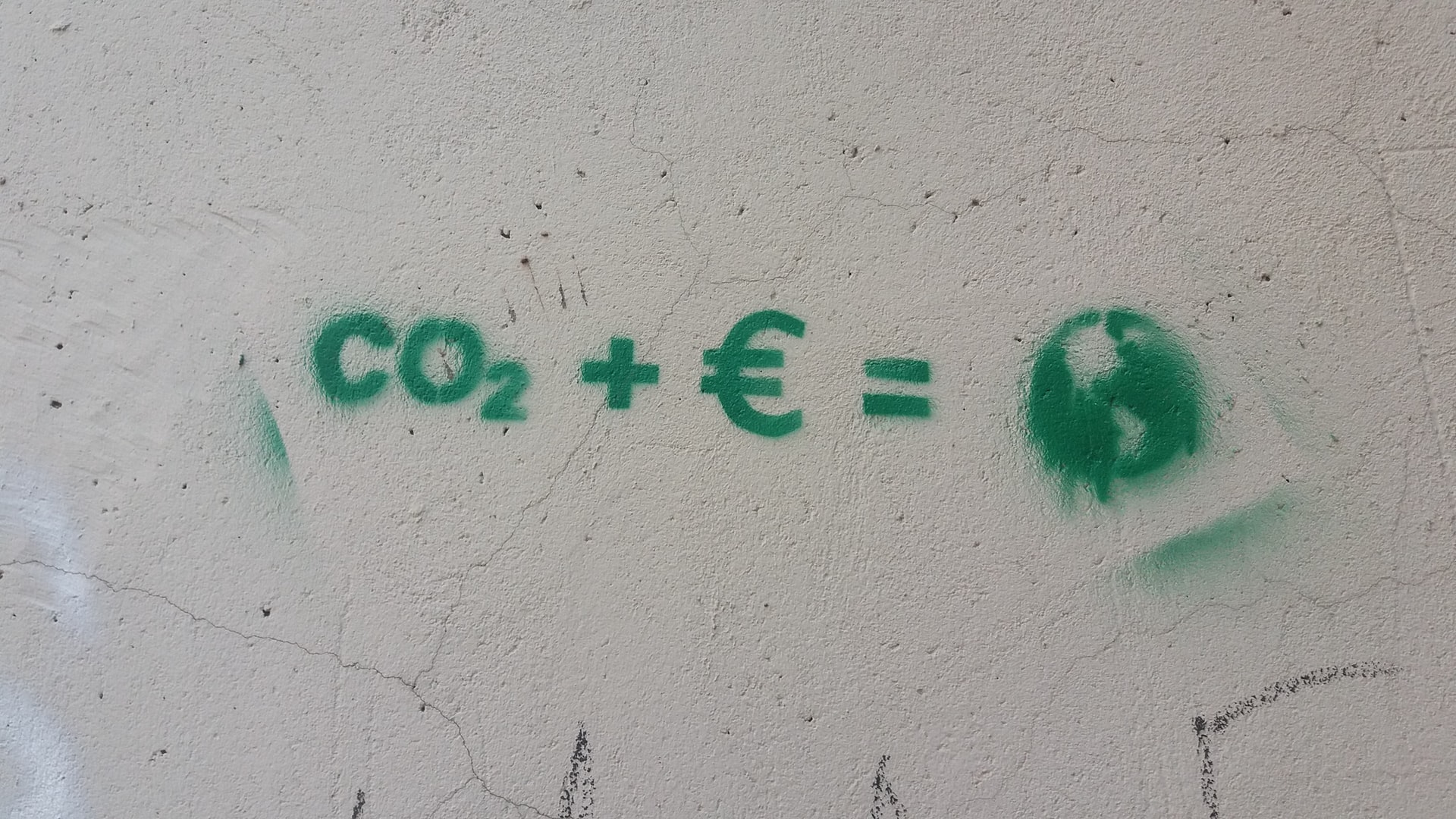
In contrast, leveraging the carrot only requires an announcement. The incentive is enough to trigger the minds of numerous innovators and pockets of many investors. Hence to involve capitalists, the world needs a system that incentivizes and / or rewards environmental regeneration.
Photo by Marija Zaric on Unsplash
 Savvy Munshi