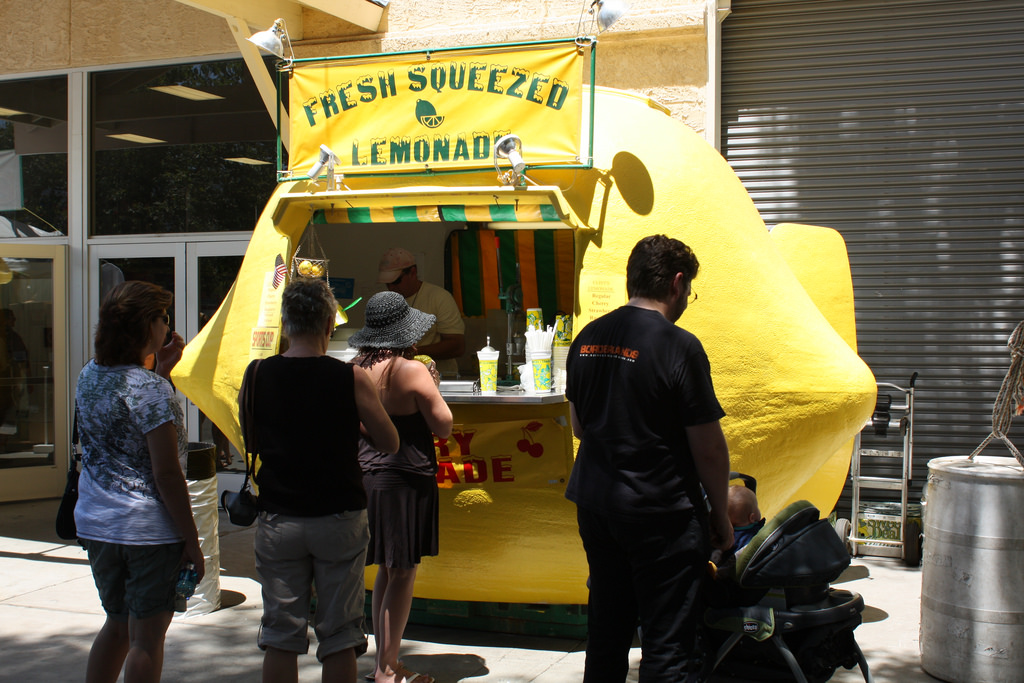
Pakoras, the Indian equivalent of tapas; finger food delicacy savoured over steaming chai (tea). With a market size larger than the mobile market in the country, pakora stores are among the most lucrative low capital livelihood opportunities as described by politicos. But equating a mere store with entrepreneurship would be blatant disregard for the effort, wit and spirit of entrepreneurs.
Colonel Sanders is an entrepreneur, but every chicken pakora joint at Chandni Chowk cannot be assigned same status. Although most entrepreneurial expeditions start with livelihood opportunities spread across a wide spectrum, ranging from driving uber and selling pakoras to advisory and celebrity coaching, not all make it to the moon. Most people start with overwhelming enthusiasm but soon get stuck in the perennial monotony and gradually fade from entrepreneurs to owners and managers.
Despite effort, good income and decent year-on-year growth, most hit the stall velocity and are unable to make it beyond a certain point called the ‘glass ceiling’. The art of breaking glass ceilings and going beyond the saturation point is what differentiates entrepreneurs from owners. Entrepreneurs focus on projects; temporary endeavours that result in growth, while owners focus on operations; repetitive actions generating same results to maintain mere sustenance of the business.
As defined by the PMBOK® ‘Operations are repetitive tasks performed to maintain an ongoing business’ whereas ‘Project is a temporary endeavour undertaken to create a pre-determined result’. Operations usually determine the project requirement; for instance, development or sunsetting of a product, setting up a new facility, establishing a dealer – distributor network or even conducting a feasibility study for a proposed idea. Entrepreneurs focus on projects to identify and realise potential.
But like any project, you are likely to face time and resource constraints. With only 24 hours and finite resources, it all boils down to how you invest your time and resources. Defining priorities and allocating resources are among the most important decisions. Rhetorically speaking, your entrepreneurial abilities are shaped by the activities that you do after 6 PM and before 9 AM.
Entrepreneurship is a mindset, it is the hunger for growth, discomfort that compels achievement and the perennial pursuit to betterment. It is the characteristic of identifying and realising opportunities through a planned course of action. To be an entrepreneur one does not necessarily have to be in business; making big leaps on the corporate ladder through competence enhancement projects is also a phenomenon of entrepreneurship.
To develop an entrepreneurial mindset, you just need to follow these three easy steps: identify the potential, plan a course of action to realise the potential and continue repeating the previous two steps. Even an Uber driver can expand to a fleet of cars, pakora seller can establish a food chain, and a celebrity trainer can transform to fitness celebrity as long as they keep breaking glass ceilings.
PS: 8 hours of work and 8 hours of play does not translate into work-life balance. More on this later.
To help new age entrepreneurs get their basics right, we have curated a special course “Entrepreneur Success Essentials” available online on Udemy.
Visit here for enlightening courses!
References: PMBOK® – Project Management Body of Knowledge published by PMI – Project Management Institute – www.pmi.org
Feature Photo Source: flickr user Naotake Murayama
 Savvy Munshi